
Land Clearing Surrounding Water Sources: Top Practices
Did you realize that nearly roughly seven in ten of the global fresh water reserves suffer threats from farm runoff and Land Clearing? Such a startling statistic emphasizes the pressing necessity for responsible land management, essential during water source Land Clearing. Ensuring ecological accountability is vital for upholding ecosystem equilibrium and preserving aquatic purity and wildlife habitats. With increasing resource demands from communities, utilizing sustainable land management practices is crucial. This approach promotes project success while mitigating soil erosion and minimizing pollution threats in aquatic ecosystems – forestry mulching near me.
Key Takeways
- Implementing sustainable land management is critical to shielding water quality.
- Implementing best practices can prevent soil erosion and habitat loss.
- Awareness of environmental impacts is critical for responsible Land Clearing.
- Proper planning enhances project success while safeguarding ecosystems.
- Applying successful techniques fosters biodiversity in aquatic landscapes.
Grasping the Significance of Sustainable Land Clearing
Land Clearing involves more than simply uprooting vegetation. It has ecological effects of Land Clearing that can damage surrounding regions, especially those near water. Traditional methods often cause soil erosion, disrupt habitats, and can pollute water. It’s vital to grasp these effects to adopt better land management.
Ecological Effects of Conventional Land Clearing
Typical Land Clearing practices can lead to various environmental challenges. Soil erosion happens when vegetation is lost, degrading soil and causing sediment runoff into water. This runoff can pollute water bodies, harming aquatic ecosystems. Furthermore, it endangers local fauna and upsets ecological equilibrium.
Sustainable Land Management Options
Implementing sustainable land management practices mitigates problems of standard clearing. Targeted clearing of select plants sustains ecosystem stability. Using erosion control measures, like cover crops, stabilizes soil and protects water quality. Emphasizing indigenous vegetation bolsters wildlife and fosters ecological well-being.
Top Best Practices for Land Clearing
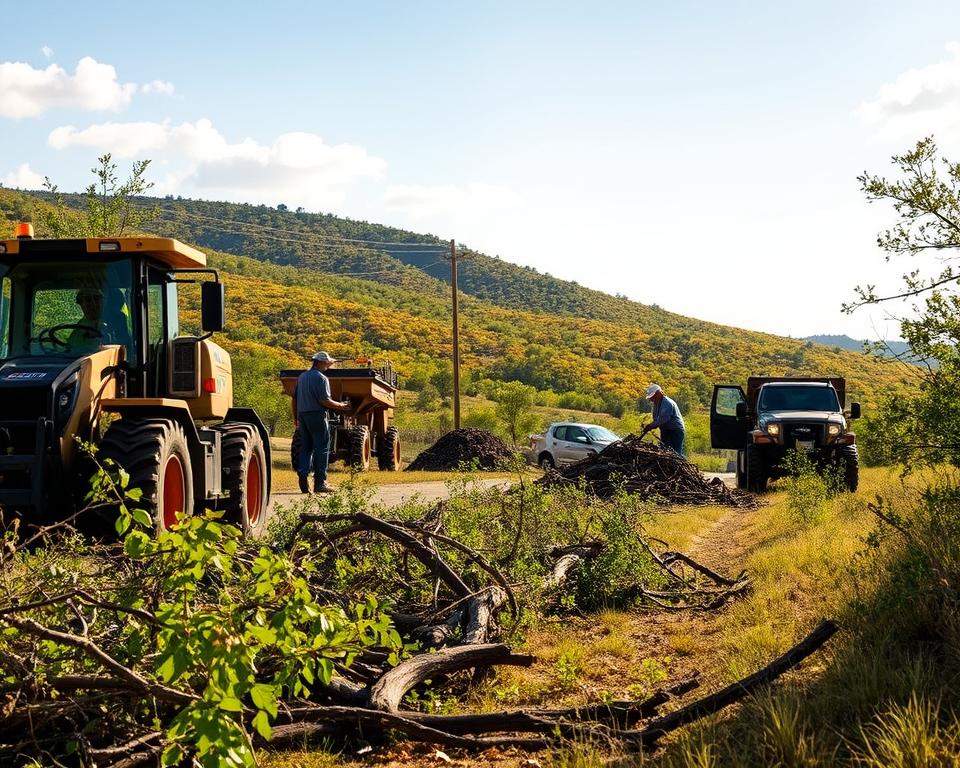
Effective Land Clearing begins with thorough comprehension of environmental aspects. Evaluating environmental aims is key for ensuring effective, sustainable clearing. With defined objectives, landowners can make choices that align environmental protection with development priorities.
Evaluating Your Environmental Objectives
Prior to initiating any clearing work, evaluating environmental goals is crucial. This involves evaluating the local ecosystem and how clearing might affect wildlife, soil, and water. Identifying personal objectives helps develop strategies that protect local habitats and watersheds.
Selecting the Optimal Time for Clearing
The scheduling of clearing activities influences success greatly. Clearing during winter or early spring—when soils are frozen—minimizes disturbance and erosion. Understanding avoidance periods results in healthier landscapes and diminished environmental impact.
Evaluating Local Regulations and Permit Requirements
Following local Land Clearing regulations is necessary for successful projects. Understanding permit requirements can avoid legal issues or fines. It’s wise to check local ordinances, even near protected areas, to avoid environmental disasters from unapproved clearing.
Land Clearing By Water Sources: Prime Practices
Effective techniques for Land Clearing near water sources protect delicate areas and maintain ecosystem harmony. A thorough approach involves identifying regions that require special care and implementing appropriate erosion control methods. These steps are critical for preserving biodiversity and maintaining water quality.
Pinpointing Critical Areas for Protection
Before initiating Land Clearing, it is essential to assess the landscape for sensitive areas such as wetlands and riparian zones. These unique ecological zones play a vital role in filtering pollutants and providing habitat for various species. Proper identification enables land managers to implement safeguards during and post clearing.
Implementing Erosion Control Measures
After identifying critical areas, using erosion control tactics prevents sediment from entering water bodies. Techniques such as silt fencing, natural buffers, and planting cover crops contribute significantly to maintaining water quality. Integrating eco-friendly clearing with erosion management nurtures healthier aquatic environments. This ultimately benefits both the environment and local communities.
Comparing Mechanical and Manual Clearing
Selecting mechanical or manual clearing is important. Each has its own set of advantages and disadvantages, affecting the environment and the clearing process’s efficiency. Understanding these differences helps landowners make informed decisions, aligning with their land management goals.
Pros and Cons of Mechanical Clearing
Mechanical Land Clearing employs heavy machinery to swiftly remove trees, shrubs, and debris. This method accelerates projects and lowers labor demands. Yet, machinery use can cause significant soil disturbance, compaction, and damage to ecosystems.
- Pros: Rapid clearing of expansive zones.
- Lower manual labor expenses.
- Suitability for challenging terrains.
- Drawbacks: Greater ecological disturbance.
- Potential for soil erosion.
- Threat of habitat loss.
Benefits of Manual and Selective Clearing
Manual and targeted clearing emphasize eco-sustainability. Applying specialized labor limits soil disturbance and conserves plants. This approach suits projects where biodiversity and ecosystem health are priorities.
- Benefits: Preservation of native vegetation.
- Reduced soil disturbance and erosion.
- Improved wildlife habitat preservation.
Methods for Wetland Clearing
Wetlands are unique zones essential for ecological equilibrium. They filter water, control flooding, and provide essential habitats for diverse flora and fauna. Understanding these ecosystems is key to responsible wetland clearing practices. The objective is to lessen disruptions and maintain these aquatic habitats.
Grasping Wetland Ecology
Wetlands are defined by distinct water regimes, soils, and plant communities. They are transitional areas between land and water, hosting diverse fauna. They regulate water quality via natural filtration processes that extract contaminants. Maintaining wetland health fosters biodiversity and ecological durability.
Techniques for Responsible Wetland Clearing
Careful planning and precise execution underpin responsible wetland clearing. Techniques that promote ecological sustainability can mitigate the negative impacts of Land Clearing. Widely employed strategies include:
- Staged Clearing: Conduct clearing in phases to minimize ecological disruption, allowing time for wildlife to adapt.
- Selective Clearing: Remove only specific vegetation types, preserving critical species for habitat stability.
- Regrowth Practices: Introduce practices that encourage natural vegetation regrowth after clearing, maintaining ecosystem functions.
- Buffer Zones: Establish buffer areas around sensitive wetland sections to protect aquatic habitats from disturbances.
Implementing these techniques confirms that wetland clearing upholds ecosystem services and curbs habitat destruction.
Safeguarding Riparian Reserves in Clearing
Riparian reserves are vital for maintaining healthy aquatic ecosystems. Situated along watercourses, they serve as natural protective buffers. They protect water quality and boost biodiversity. By adopting best practices, land managers can prevent erosion, protect wildlife habitats, and preserve waterway ecological integrity.
Role of Riparian Buffers in Aquatic Ecosystems
Riparian zones play a vital role in aquatic ecosystems. They remove contaminants, reinforce banks, and host diverse species. They serve as barriers that lessen human impact on aquatic systems. Protecting riparian areas enhances water quality, supports fish populations, and strengthens ecosystem resilience.
Riparian Zone Management Tips
To keep riparian reserves effective, several best practices are essential:
- Avoid construction within buffer strips to minimize disturbance.
- Use native vegetation to stabilize banks and prevent erosion.
- Establish a diverse plant community to enhance habitat complexity and support wildlife.
- Manage invasive species to protect native plants and maintain ecosystem stability.
- Regularly assess soil health and water quality to guide management efforts.
Importance of Aquatic Land Clearing Strategies
Clearing strategies near water sources ensure ecological balance and water health. Effective water quality management during clearing reduces pollution risks and promotes sustainability. Such methods curb sediment runoff and bolster aquatic ecosystem health.
Assessing Water Quality and Sediment Management
Proper water quality control begins with evaluating local water systems. Clearing adjacent to water systems must avoid sediment deposits that damage water quality and aquatic organisms. Strategies include:
- Establishing buffer zones to filter pollutants
- Using sediment traps and barriers to minimize runoff
- Selecting clearing times to coincide with low water levels
These methods protect water quality and maintain ecosystem integrity. Residual vegetation aids in sediment control and nutrient cycling, leading to healthier waterways.
Aquatic Biodiversity Protection
Maintaining biodiversity in aquatic landscapes is key for resilient ecosystems. Clearing near water must safeguard indigenous species crucial to habitats. Steps to boost biodiversity include:
- Conserving critical habitats during clearing processes
- Implementing phased clearing to allow wildlife adaptation
- Restoring natural vegetation post-clearing to enhance habitat
By adopting these measures, land managers can foster biodiversity in aquatic landscapes. These actions yield stronger, more adaptable ecosystems. Such measures defend water quality and encourage sustainable land management.
Stream Bank and Riverbank Clearing Considerations
Stream bank clearing comes with its own set of challenges, needing a focus on environmental impacts and regulatory compliance. It’s essential to ensure the process respects riverbank considerations to preserve water sources’ ecological balance. Erosion, habitat loss, and water quality degradation necessitate strategic mitigation during clearing.
Stream Bank Clearing Challenges
Clearing stream banks encounters multiple obstacles. Erosion is a chief issue, resulting in soil loss and impaired water quality. Habitat disruption endangers fauna dependent on riparian habitats. Without natural vegetation, stormwater runoff increases, leading to sedimentation in waterways. These issues highlight the need for effective management of stream bank areas.
Mitigating Erosion and Supporting Healthy Flora
Mitigating erosion is key for stream bank clearing. Using indigenous vegetation fortifies banks. Roots curtail erosion, supporting a resilient environment for adjacent flora and fauna. Periodic reviews in clearing guarantee efficacy and preserve riverbank ecology. Lush vegetation advances management objectives and sustains ecosystem health.
In Closing
Applying optimal practices for clearing near water sources is vital for ecosystem health. Stakeholders should emphasize sustainable land management. This method accomplishes objectives and defends natural resources. Thoughtful planning and execution guarantee that clearing preserves aquatic ecosystems and biodiversity.
Locating sensitive zones and applying erosion controls are fundamental steps. Using mechanical and manual methods enables landowners and contractors to practice responsible land management. Green practices encourage co-existence of human operations and natural systems. This ensures water sources and adjacent landscapes remain vibrant and resilient.
The commitment to sustainable land management is a collective responsibility. Each step in Land Clearing affects watershed integrity. By integrating environmentally responsible practices, we can create a future where agriculture and the environment coexist harmoniously.